Tire Track Svg for Real Embroidery Projects
As an embroidery designer and product reviewer, I’ve seen my fair share of digital files. But when I came across the Tire Track Svg, I wanted to test it in real-world scenarios before recommending it to others. This design has a rugged, grungy vibe that feels right at home on certain types of projects. Let’s break down how it performs in practical use.
The First Impression: A Rugged, Grungy Feel
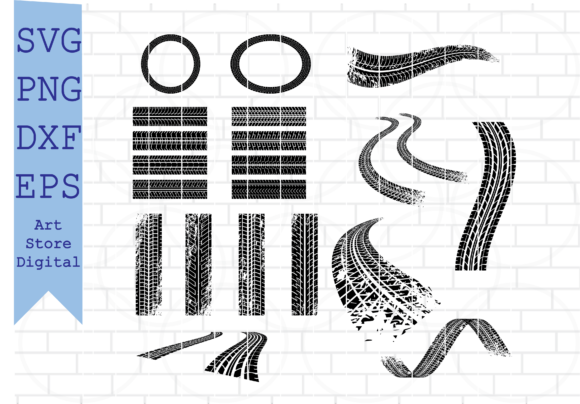
The Tire Track Svg immediately gives off a sense of wear and tear. The design features deep grooves, uneven edges, and a slightly textured look that mimics actual tire tracks. It’s not the kind of design you’d want for something delicate or minimalist. Instead, it thrives on boldness and contrast. The layout is clean but has enough detail to make it visually interesting without being overwhelming.
This design works best on items that can handle a bit of grit—like custom apparel, tote bags, or patches. It has a natural, industrial feel that could fit well with outdoor themes, automotive branding, or even rustic home decor.
Real-Life Use: Custom Apparel and More
I tested the Tire Track Svg on a few different fabrics and found it performed well on cotton, denim, and canvas. The design’s lines are clear enough to show up on most materials, especially when using contrasting thread colors. For example, on a black sweatshirt, a white satin stitch made the tire track pop dramatically.
On lighter fabrics like a white t-shirt, the design looked more subtle. That’s not a bad thing—it means the Tire Track Svg is versatile enough to work in different contexts. Whether you’re making a casual tee or a statement jacket, this design can adapt.
One project I worked on was a custom embroidered tote bag for a client who runs a small outdoor gear shop. The Tire Track Svg added a unique touch that matched their brand aesthetic. The customer loved it, and it became a popular item in their store.
Where to Be Careful: Fabric and Design Limitations
While the Tire Track Svg is great for many projects, there are some limitations. On thin or stretchy fabrics, the design can sometimes look a bit distorted. If you’re working on a baby onesie or a delicate top, you might want to consider a simpler design to avoid overcomplicating things.
Small hoop sizes can also be an issue. The design isn’t overly large, but if you’re working with a tight hoop, some details might get lost. It’s best to check the dimensions of your machine’s hoop before starting.
Another thing to watch out for is fabric texture. On heavily textured materials, the design might not sit as smoothly. You may need to adjust your stabilizer or choose a smoother fabric for better results.
Visual Appeal and Customer Perception
When it comes to visual appeal, the Tire Track Svg is strong. It adds a sense of authenticity and character to any project. Customers often respond positively to designs that feel handcrafted or have a story behind them. This design fits that bill perfectly.
It also helps with brand consistency. If you run a craft business or Etsy shop that focuses on rugged, outdoorsy themes, the Tire Track Svg can become a staple in your design library. It’s a great way to create a cohesive look across different products.
For handmade products, this design can boost perceived value. It’s not just a simple pattern—it has depth and personality. That makes it ideal for personalized gifts, custom apparel, or boutique merchandise.
Practical Designer Notes: What to Check Before Using
Before finalizing any project with the Tire Track Svg, I recommend testing it on scrap fabric first. This will help you see how the design looks in real life and whether it needs any adjustments.
Check thread color contrast carefully. Dark threads on light fabric or vice versa can make a big difference in how the design appears. Also, review the stitch density. If the design is too dense, it might cause puckering or fabric distortion.
Make sure your hoop size is appropriate. If the design is too big for your hoop, you’ll need to split it or adjust the layout. Inspect small details closely—sometimes intricate parts of a design don’t show up as well as they should.
Test the design in black and white mockups to see how it looks without color. Compare it on both light and dark fabric backgrounds to ensure it works in all situations. Use the right stabilizer for your fabric type, and always confirm the licensing terms before selling finished items or digital products.
Best Uses: From Tote Bags to Holiday Gifts
The Tire Track Svg is ideal for a variety of projects. It works well on tote bags, sweatshirts, and aprons where a bold, eye-catching design is needed. It also makes a great addition to baby items, like onesies or blankets, if you’re going for a rugged, playful theme.
For holiday gifts, this design can add a unique touch to personalized items like mugs, pillows, or kitchen towels. It’s also a solid choice for commercial embroidery projects, especially if you’re targeting customers who appreciate a little edge in their designs.
As a digital product seller, I find the Tire Track Svg useful for printable mockups and design assets. It’s a versatile file that can be used in multiple ways, depending on your creative vision.
Final Thoughts: A Design with Purpose
The Tire Track Svg isn’t for every project, but when used correctly, it can elevate a design significantly. It’s a strong choice for those looking to add a touch of grit and realism to their work. Whether you’re an Etsy seller, a small shop owner, or a hobbyist, this design has a place in your collection.
Just remember to test it thoroughly, pay attention to fabric and hoop limitations, and make sure it aligns with your brand and customer expectations. With the right approach, the Tire Track Svg can become a go-to design for many of your embroidery projects.